
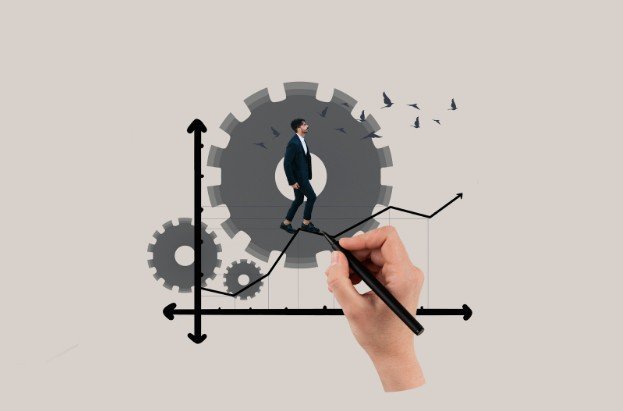

If I felt energized, I worked hard. If I didn’t, I postponed everything. That cycle kept repeating until I realized something simple but powerful—motivation was never meant to carry me all the way. That’s when I truly understood why motivation fails and discipline wins.
Once I shifted my focus from feelings to actions, everything started to change. I became more consistent, more focused, and surprisingly, less stressed. Discipline didn’t make things easier at first, but it made progress predictable.
Why Motivation Breaks Down Over Time
Motivation feels exciting in the beginning because it’s emotional. It gives you that initial push to start something new. But the problem is, emotions are unstable. They change based on your mood, sleep, environment, and even small daily frustrations. I noticed that on days when I didn’t feel motivated, I would skip important tasks.
Over time, those skipped days added up. Motivation made me dependent on how I felt, and that created inconsistency. Another issue is that motivation fades quickly when things get repetitive. The first few days of a new goal feel exciting, but once the novelty wears off, motivation drops. That’s where most people quit—not because they can’t continue, but because they no longer feel like it.
Why Discipline Builds Real Consistency
Discipline works differently. It doesn’t depend on how you feel. It depends on what you’ve decided matters. When I started building discipline, I stopped asking myself, “Do I feel like doing this?” Instead, I asked, “Is this part of my routine?” That simple shift removed a lot of hesitation. Discipline creates structure.
It turns your goals into daily actions. Instead of relying on bursts of energy, you rely on systems that guide your organized behavior. Over time, those systems become habits, and habits make consistency easier. This is exactly why motivation fails and discipline wins in the long run. One is temporary, the other is repeatable.
The Real Reason Discipline Feels Difficult

At the start, discipline feels harder than motivation because it doesn’t offer instant rewards. Motivation gives you excitement immediately. Discipline asks you to work now and see results later. I struggled with this in the beginning.
I wanted quick progress. But discipline taught me that progress comes from repetition, not intensity. As I built discipline from scratch, I realized the more I showed up without expecting instant results, the easier it became to continue. Discipline started feeling less like effort and more like part of who I am.
How I Built Discipline From Scratch
I Started Smaller Than I Thought Necessary
Instead of setting big goals, I focused on small, manageable actions. This helped me avoid overwhelm and made it easier to stay consistent. Small wins built momentum faster than big plans ever did.
I Created a Simple Routine
I gave important tasks a fixed place in my day. This removed decision-making and made action automatic. When something becomes part of your routine, you stop negotiating with yourself.
I Accepted That Not Every Day Feels Productive
Some days feel slow and repetitive. I stopped expecting every day to be exciting. Discipline grows when you keep going even when things feel ordinary.
I Measured Actions, Not Feelings
Instead of tracking how motivated I felt, I tracked whether I completed the task. This kept me focused on what actually matters—showing up.
Why Habits Matter More Than Motivation
Habits reduce the need for motivation. When something becomes a habit, you do it without thinking too much about it. That’s what makes discipline powerful—it creates habits that run in the background.
I realized that success is less about doing something perfectly and more about doing it consistently. Even small actions, repeated daily, create noticeable results over time.
What Changes When You Rely on Discipline

When you stop depending on motivation, your progress becomes stable. You no longer start and stop repeatedly. You build momentum that carries forward. Another important change is confidence. Every time you follow through on a task, you build trust in yourself. That kind of confidence doesn’t fade like motivation—it grows stronger with consistency.
Frequently Asked Questions
1. Why Motivation Fails and Discipline Wins in daily life?
Motivation depends on emotions, which change often. Discipline relies on routine and commitment, which makes it more reliable for consistent progress.
2. Can anyone develop discipline?
Yes, discipline is built through repetition and structure. It’s not something you’re born with—it’s something you practice daily.
3. What should I do when I lose consistency?
Start small again. Focus on rebuilding the habit instead of waiting for motivation to return. Taking action, even in small steps, helps restore consistency.
What Actually Helped Me Stay Consistent
Looking back, I realize my biggest mistake was waiting to feel ready. I thought motivation would eventually make everything easier. It didn’t. What actually worked was showing up anyway. Even on days when I didn’t feel like it, I followed my routine.
Over time, that consistency built momentum I could rely on. If there’s one thing I’ve learned, it’s this: you don’t need to feel motivated to take action. You just need a system that makes action inevitable.