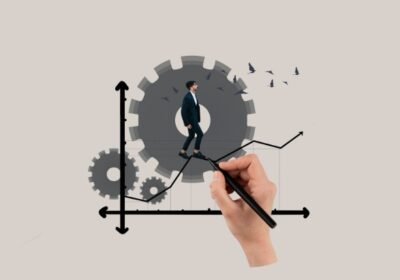


When I first started working on myself, I thought progress would feel clean, motivating, and obvious. I expected better routines, stronger discipline, and a clear sense that I was moving forward. Instead, I found confusion, frustration, and long periods where nothing seemed to change.
That is the part most people skip. What No One Tells You About Self-Improvement is that it often feels uncomfortable before it feels empowering. For me, the hardest part was realizing that growth does not always look impressive from the outside.
Sometimes it looks like saying no more often. Sometimes it looks like resting instead of forcing. Sometimes it looks like repeating the same basic habit until it finally becomes part of who you are. Real change is quieter than most people expect.
Why Real Growth Feels Slower Than You Expected
One of the biggest mistakes I made was assuming that fast change was the same as lasting change. I wanted immediate proof that I was becoming better. But real self-improvement usually works in a less dramatic way. It builds through repetition, identity shifts, and small choices that seem boring in the moment.
That is why many people quit too early. They do not fail because they are lazy. They fail because the early stage feels invisible. You can be doing the right things and still feel like nothing is happening. In my experience, that gap between effort and visible results is where most people lose faith.
I also learned that improvement is rarely linear. You can have a strong week, then a messy one. You can break a bad habit, then fall back into it under stress. That does not cancel your progress. It just means you are human.
The Hidden Cost Of Always Trying To Fix Yourself
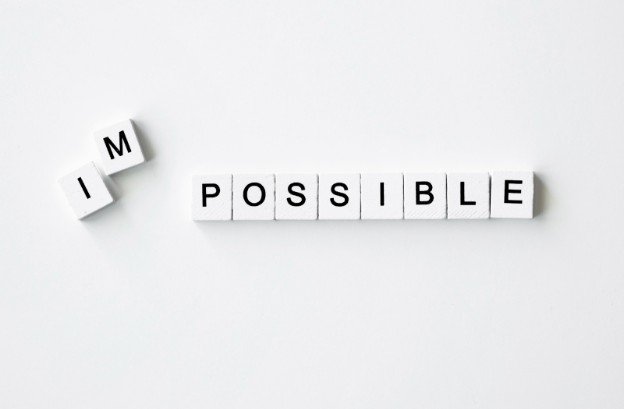
There was a point where I confused self-awareness with self-criticism. I thought being hard on myself meant I was serious about changing. In reality, it made everything heavier. The more I treated myself like a project that was never good enough, the harder it became to stay steady. That is the darker side of self-improvement that rarely gets discussed.
When every flaw feels urgent, growth starts to feel like punishment. You stop building a better life and start chasing an impossible version of yourself. This is why self-compassion matters more than people think. It is not softness in the lazy sense. It is emotional stability. It helps you recover from mistakes without turning one bad day into a full collapse.
Why Habits Work Better Than Motivation
Motivation helped me start, but it never helped me stay consistent. It came and went depending on my mood, energy, stress, and sleep. Habits changed everything because they reduced negotiation. Once I made a behavior part of my normal routine, I stopped relying on excitement to do it.
That shift changed how I viewed progress. I stopped asking, “Do I feel like doing this today?” and started asking, “What is the version of me I want to become next?” That simple change made decisions easier. The strongest self-improvement routines are not built around pressure. They are built around friction reduction. I made good habits easier to begin. I lowered the bar.
I focused on showing up before trying to be impressive. In practical terms, that meant reading two pages instead of aiming for a chapter, walking for ten minutes instead of planning a perfect workout, and writing a few lines instead of waiting for a breakthrough.
What Actually Helped Me Change

I Stopped Chasing Perfect Routines
I used to waste time building ideal schedules I could never maintain. They looked productive on paper but ignored real life. Once I started creating routines I could follow on hard days, everything improved. Simple routines beat perfect plans every time.
I Focused On Identity First
The biggest shift happened when I stopped obsessing over outcomes and started paying attention to identity. I wanted proof that I was disciplined, calm, focused, and consistent. So I began practicing behaviors that matched those traits in small ways. That approach made change feel more natural and less forced.
I Learned To Expect Emotional Resistance
I thought doing the right thing would feel right immediately. It often did not. Sometimes the better choice felt boring, inconvenient, or uncomfortable. That did not mean it was wrong. It meant I was rewiring old patterns. What No One Tells You About Self-Improvement is that emotional resistance does not always signal failure. Sometimes it signals that change is finally real.
A Simpler Way To Approach Self-Improvement
If I were starting over, I would do less at once and stay with it longer. I would choose one habit that supports my energy, one habit that supports my focus, and one habit that supports my mindset. I would track actions, not moods. I would care less about looking productive and more about becoming reliable.
Most importantly, I would stop treating improvement like a finish line. There is no final version of you that arrives polished and complete. There is only the daily practice of becoming more honest, more steady, and more aligned with the life you actually want.
Frequently Asked Questions
1. What No One Tells You About Self-Improvement that surprises most people?
The biggest surprise is how quiet progress can be. Real growth often looks repetitive, slow, and emotionally uncomfortable before it starts to feel rewarding.
2. Why do I lose motivation so quickly?
Motivation is temporary by nature. It rises and falls. That is why routines and habits matter more when you want lasting change.
3. How do I know if I am actually improving?
Look at your patterns, not your mood. If you are responding better, recovering faster, and keeping small promises to yourself, you are improving.
The Part That Matters Most
I used to think self-improvement was about becoming more impressive. Now I see it differently. It is about becoming more honest with yourself, more patient with your progress, and more willing to keep going without applause. That mindset changed everything for me. I no longer expect growth to look perfect. I expect it to look real. And once I accepted that, I finally started changing in a way that lasted.