
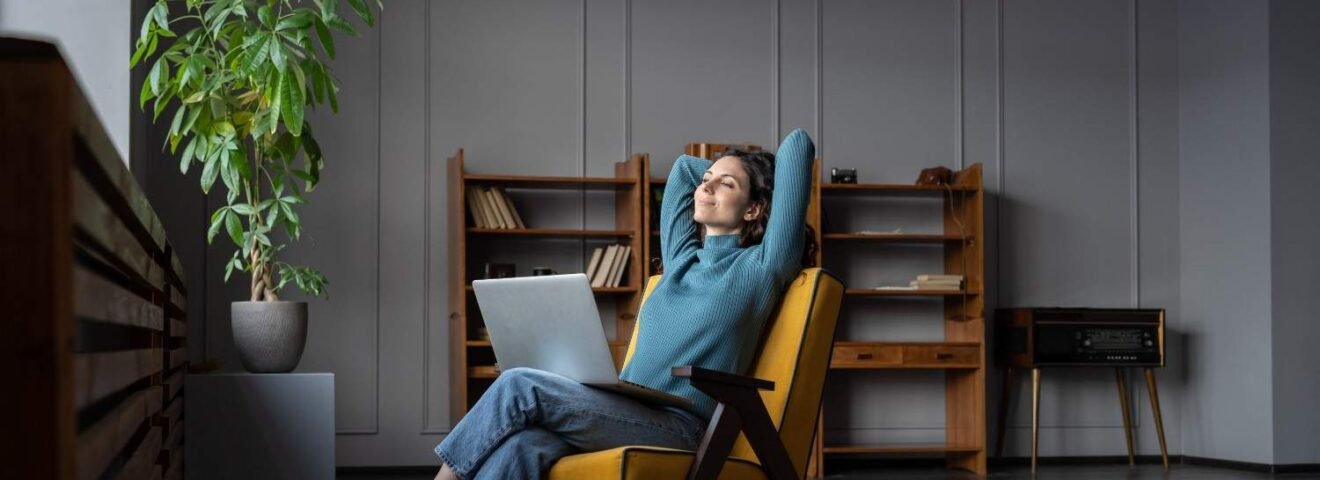

My home looked perfectly normal, but it didn’t feel peaceful at all. Bright lights, constant noise, and small everyday clutter were quietly keeping my mind on edge. I didn’t notice it at first, but over time, it started affecting my focus, mood, and even sleep. Everything changed when I understood how to set up a relaxing home environment.
With a few simple changes, my space finally felt calm, comfortable, and truly supportive of how I wanted to feel every day.
What Does a Relaxing Home Environment Really Do for You?
A well-designed home environment lowers stress levels, improves sleep quality, and creates a sense of control. Research from Mental Health America shows that clutter and poor living conditions can increase cortisol levels and mental fatigue.
From my experience, the biggest shift happens when your home stops overstimulating you. Instead of constantly reacting to your environment, you start feeling supported by it.
How to Set Up a Relaxing Home Environment Step by Step
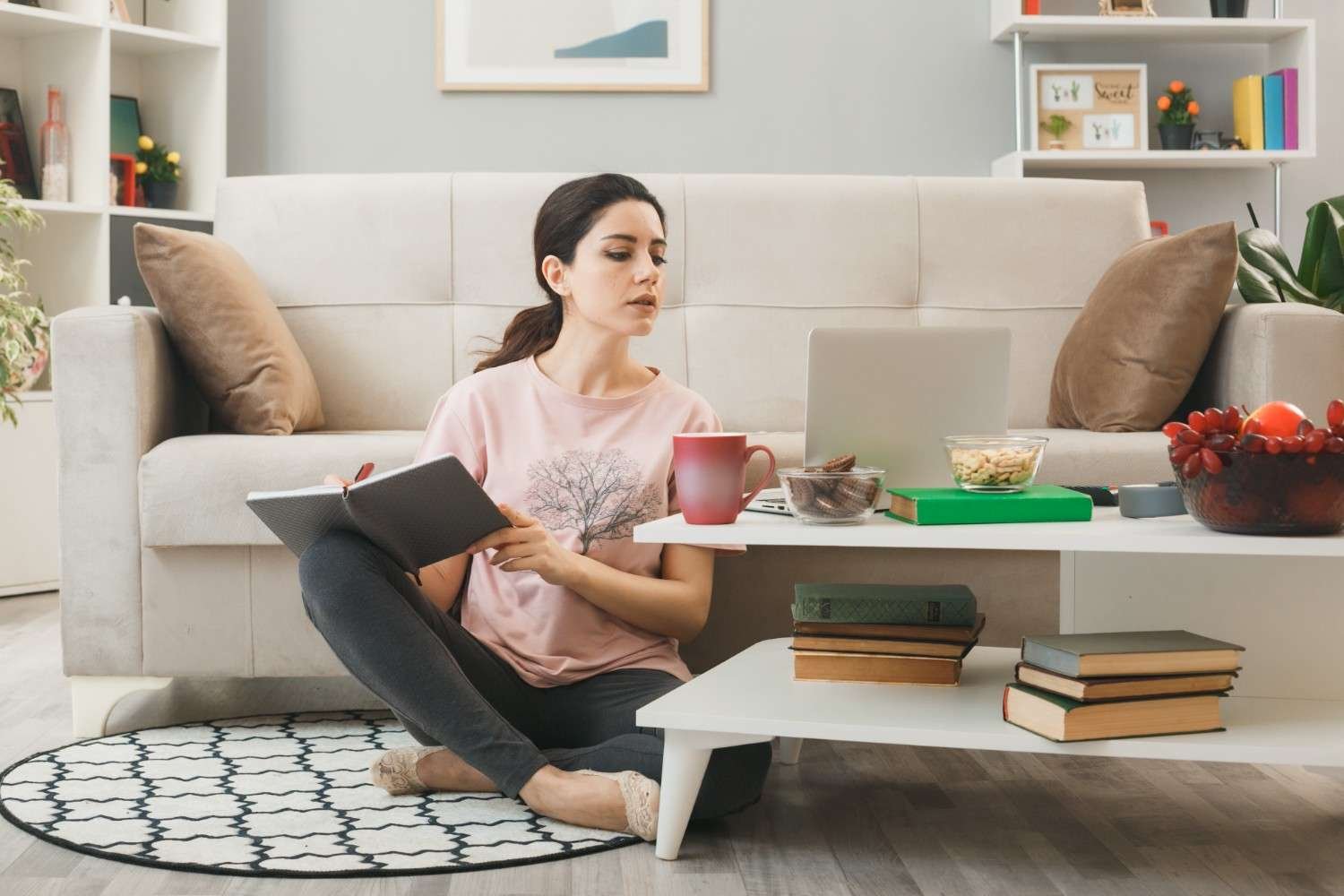
When I started making changes, I focused on simple adjustments that impacted how I felt every day. These are the exact strategies that made the biggest difference.
Why Decluttering Instantly Reduces Stress at Home
The first thing I fixed was clutter. Physical mess creates mental noise, even when you think you’ve gotten used to it.
I started doing short daily resets—just 10 to 15 minutes every evening—to clear high-traffic areas like kitchen counters and entryways. Over time, this prevented clutter from building up.
I also followed a simple rule: if I brought something new into my home, something else had to go. This kept my space open and manageable.
Hidden storage helped more than I expected. Using baskets and closed cabinets removed visual distractions like paperwork and electronics. Once I simplified what I saw, the entire space felt calmer.
How Lighting Affects Mood and Relaxation Indoors
Lighting changed everything for me. Harsh overhead lights kept my space feeling tense, especially in the evening.
I started maximizing natural light during the day by opening blinds and positioning mirrors to reflect sunlight into darker areas. At night, I switched to warm-toned lamps and layered lighting instead of relying on a single source, balancing hard and soft lighting to create a more calming atmosphere.
By evening, I reduced my brightness significantly. Lower lighting levels signal your brain to wind down, making it easier to relax without effort. Even small changes like adding a lamp or soft ambient light can shift the mood of your entire home.
What Colors and Textures Make a Home Feel Calm
Color has a direct effect on how your space feels. I noticed that bold or overly bright tones made it harder to relax.
I shifted toward softer shades like beige, muted blue, and light gray. These colors don’t demand attention—they create a quiet background that feels stable.
Textures made an equally big impact. Adding soft blankets, comfortable cushions, and natural rugs created a sense of warmth. It’s not just about how your home looks—it’s about how it feels when you sit, walk, and move through it.
How Scent and Sound Influence Your Home Atmosphere
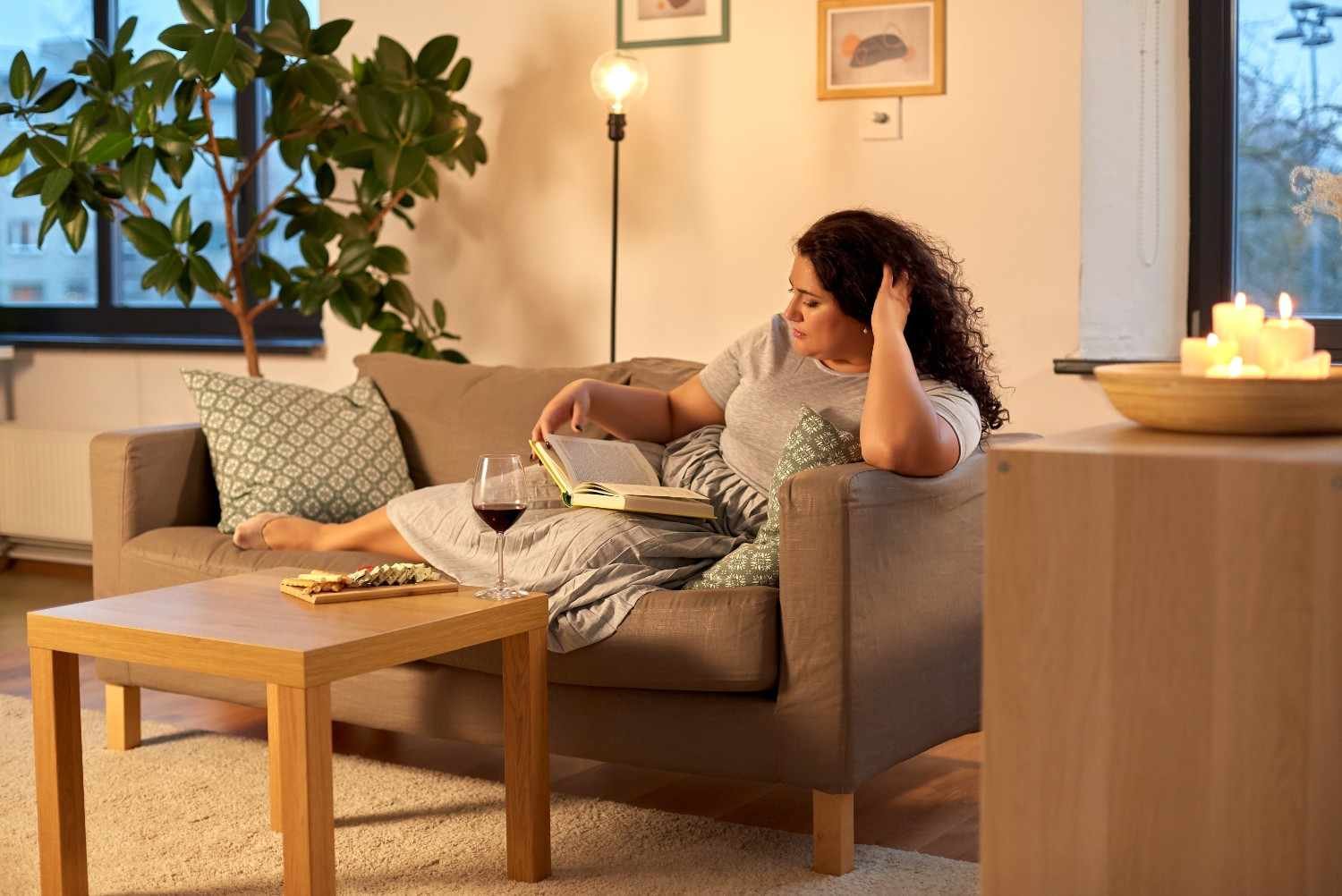
This was something I underestimated at first. But once I added it, the difference was immediate.
I started using subtle scents like lavender and sandalwood through diffusers. These scents naturally signal relaxation and help your body unwind faster.
Noise control mattered just as much. I reduced background distractions and introduced softer sounds when needed, like ambient music or white noise. Blocking harsh external noise made the space feel more controlled and peaceful.
Why Creating Dedicated Relaxation Zones Works
Trying to relax everywhere didn’t work for me. I needed one space that was clearly associated with rest.
So I created a small corner with a comfortable chair, soft lighting, and zero distractions. That became my go-to place for reading or unwinding.
I also kept certain areas tech-free, especially the bedroom. Removing screens helped reduce overstimulation and improved my sleep quality.
Once your brain associates a space with relaxation, it becomes easier to switch off mentally.
How to Bring Nature Into Your Home for Instant Calm
Adding natural elements made my home feel more balanced almost instantly.
I introduced indoor plants, opened windows more often, and used natural materials like wood and cotton. Fresh air and greenery created a grounding effect that artificial decor simply couldn’t match, while also playing a quiet role in protecting mental health.
Even small changes—like a single plant or better airflow—can make your home feel more alive and less confined.
Why Air Quality and Flow Matter More Than You Think
I didn’t expect this to make such a difference, but it did.
Improving airflow and maintaining fresh air made my space feel lighter. I kept windows open whenever possible and made sure air could circulate freely.
A clean, breathable environment doesn’t just feel better—it actually helps you think more clearly and relax faster.
How Long Does It Take to Notice Results?
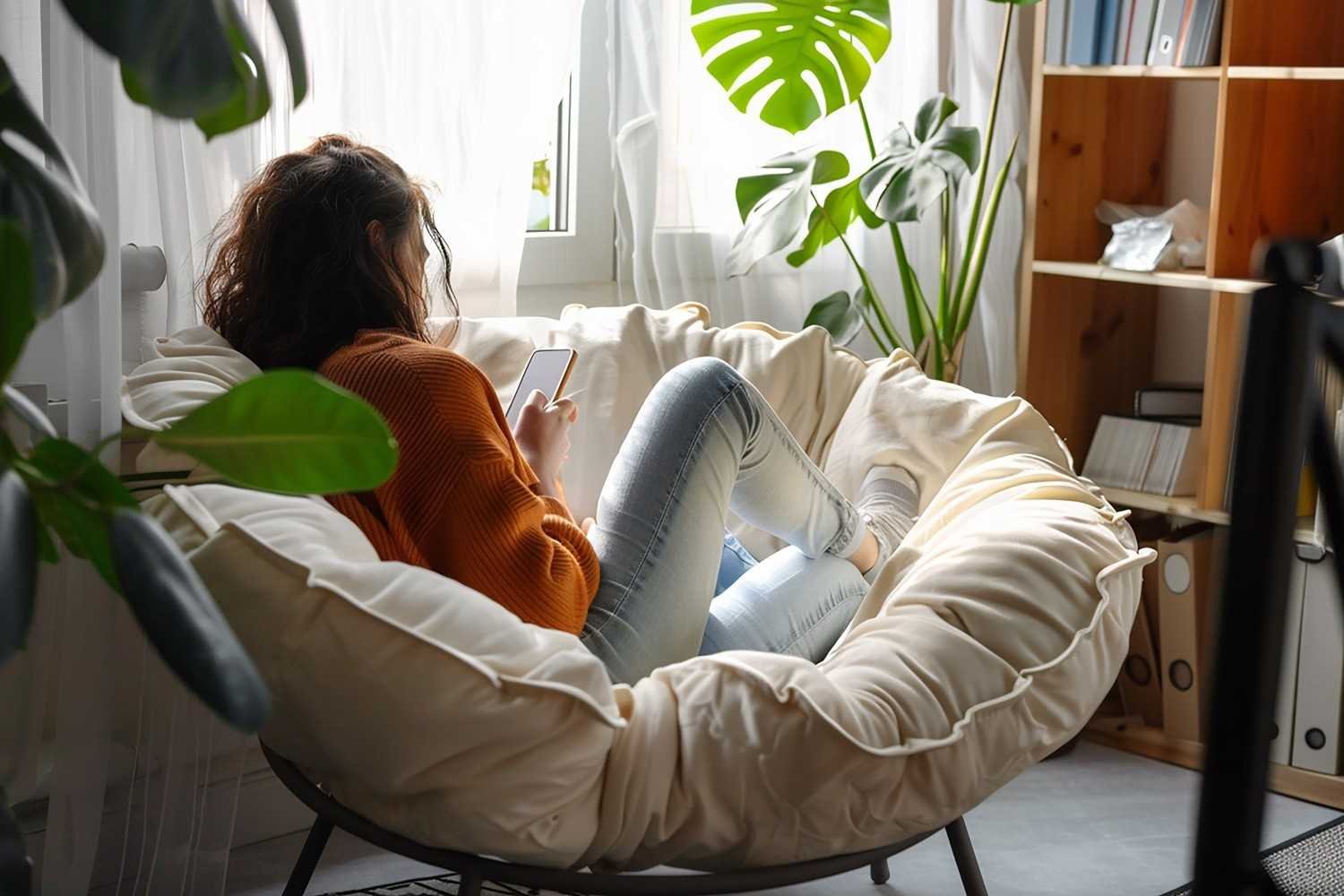
You don’t need a complete home makeover to feel the difference.
From my experience, even small changes—like adjusting lighting or clearing clutter—start working within a day. The key is consistency. When you maintain these habits, your home gradually becomes a place that naturally supports calmness.
Frequently Asked Questions (FAQs)
1. How to set up a relaxing home environment on a budget?
You don’t need expensive upgrades. Focus on decluttering, adjusting lighting, and adding simple elements like plants or soft textures to improve your space.
2. What is the fastest way to make a home feel relaxing?
Start with lighting and clutter. These two changes create the most immediate impact and improve how your space feels within hours.
3. Does scent really help with relaxation?
Yes, scents like lavender and chamomile can reduce stress and help your body relax faster by influencing your nervous system.
4. Should bedrooms be completely tech-free?
Keeping electronics out of the bedroom helps reduce stimulation and improves sleep quality, making it easier to relax consistently.
Final Thoughts That Actually Matter
Looking back, I realized that my home wasn’t stressful because of one big problem—it was a combination of small things adding up.
Once I simplified my space, improved lighting, and created intentional areas for rest—even incorporating small upgrades like smart home devices to automate comfort—everything changed. I didn’t have to force relaxation anymore. It became automatic.
If you want to create a calm home, don’t overthink it. Start with small changes, stay consistent, and build a space that supports how you want to feel every day.