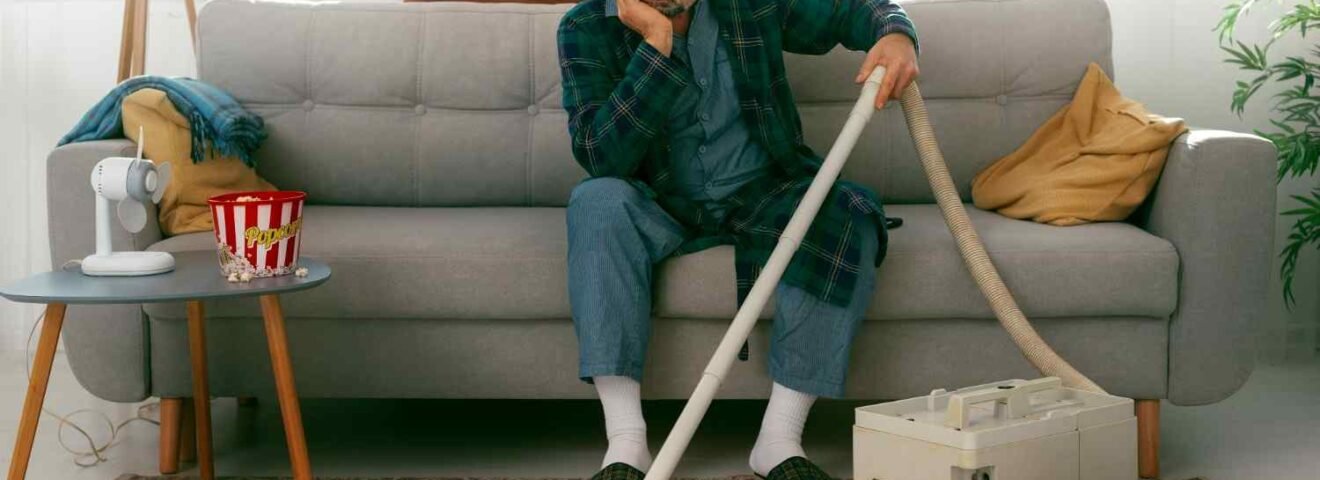

No matter how often I cleaned, the dust kept coming back like I hadn’t touched anything at all. It was frustrating, confusing, and honestly a little exhausting. If you’re dealing with the same thing, there’s a reason behind it—and it’s not just “you need to clean more.” Most homes have hidden dust sources that keep circulating particles every single day.
Once I figured out what was actually causing it, I stopped wasting time on endless cleaning and started seeing real results.
What Is House Dust Made Of and Why Does It Build Up So Fast?
Before I fixed anything, I needed to understand what dust actually is. It’s not just dirt. It’s a combination of dead skin cells, pet dander, fabric fibers, pollen, soil, and microscopic debris.
Humans alone shed millions of skin cells every day, and pets add fur and dander into the mix. On top of that, about 60% of household dust comes from outside, entering through shoes, open windows, and tiny gaps around doors.
This constant cycle is why dust builds up so quickly, even in homes that are cleaned regularly.
Why Is My House Always Dusty Even After Cleaning?
This was the most frustrating part for me. I would clean thoroughly, only to see dust return within hours. That’s when I realized the issue wasn’t effort—it was method and airflow.
Poor cleaning techniques often make things worse. Dry dusting or using feather dusters pushes particles into the air instead of removing them. Vacuums without proper filtration can capture visible dirt but release fine dust back into the room.
At the same time, if your HVAC (Heating, Ventilation and Air-Conditioning) system isn’t filtering air properly, you’re essentially redistributing dust every time it runs.
Are HVAC Filters Turning Your Home Into a Dust Source?
One of the biggest turning points for me was checking my air filters. Low-quality fiberglass filters or clogged filters don’t trap fine particles effectively. Instead, they allow dust to circulate through the vents.
In some cases, they act like dust cannons, pushing particles into every room. I switched to pleated filters with a higher rating and started replacing them every one to three months. The air felt cleaner almost immediately.
Leaky ductwork can make things worse by pulling dust from attics or crawl spaces and blowing it straight into your living areas.
Do Carpets, Curtains, and Furniture Create Constant Dust?
Soft surfaces are some of the biggest dust contributors in any home. Carpets, curtains, upholstered furniture, and bedding trap dust and release it every time they’re disturbed.
I noticed that just walking across a carpet or sitting on a couch would send particles back into the air. Over time, these surfaces act like storage zones for dust.
Regular vacuuming helps, but deeper cleaning matters just as much. Washing fabrics and keeping clutter low reduces the number of places where dust can settle.
How Much Dust Comes From Outside Your Home?
A surprising amount of dust doesn’t originate indoors. Outdoor particles like pollen, soil, and pollutants enter through doors, windows, and even small structural gaps.
Shoes are one of the biggest contributors. Once I started using a no-shoes policy indoors and placed mats at entry points, I noticed a significant reduction in dirt and debris.
Sealing window gaps and limiting open windows during high-dust conditions like sand and dust storms also helped control how much external dust entered my home.
Can Pets and Daily Living Habits Increase Dust?

Daily life plays a bigger role than most people realize. Humans constantly shed skin cells, and pets add fur and dander that settle on surfaces.
I didn’t notice how much this contributed until I started grooming pets more frequently and cleaning high-traffic areas more consistently. Even small habits like brushing pets outside or washing bedding weekly made a difference.
Bedrooms tend to collect more dust because we spend hours there every day, surrounded by fabrics that trap and release particles.
Does Static Electricity and Dry Air Make Dust Worse?
This was something I hadn’t considered at first. In dry environments, static electricity causes dust to cling to surfaces like electronics and plastic items.
Keeping indoor humidity between 40% and 50% helps reduce static while also limiting how easily dust stays airborne. When I adjusted humidity levels, surfaces stayed cleaner for longer.
How to Reduce Dust in Your Home and Keep It From Coming Back
Once I understood the causes behind why my house is always dusty, I focused on fixing the system instead of just cleaning surfaces.
I switched to damp microfiber cloths because they trap dust instead of spreading it. I upgraded my vacuum to one with proper filtration, which prevents fine particles from escaping. I also made it a habit to replace HVAC filters regularly and pay attention to airflow.
Managing entry points, controlling humidity, and reducing fabric-heavy clutter all contributed to long-term improvement. These changes weren’t complicated, but they made a lasting difference.
What Are the Most Effective Long-Term Fixes?

The key isn’t doing more—it’s doing things correctly and consistently. Once I shifted my approach, dust stopped feeling like an endless battle.
Simple adjustments like better filters, smarter cleaning techniques, and controlling where dust enters the home create a noticeable impact. Instead of reacting to dust, you prevent it from building up in the first place.
How to Keep Bugs Out of House Permanently FAQs
1. Why does dust come back so quickly after cleaning?
Dust returns quickly when airflow systems recirculate particles or when cleaning methods push dust into the air instead of removing it.
2. Do air purifiers help reduce dust in a home?
Yes, air purifiers reduce airborne particles, especially when combined with proper cleaning and filtration.
3. How often should HVAC filters be replaced?
Most homes need filter replacement every one to three months, depending on usage and indoor conditions.
4. Does humidity affect how dusty a house feels?
Yes, low humidity increases static electricity, causing dust to stick to surfaces and remain airborne longer.
Final Thoughts That Actually Change Everything
If you’re constantly dealing with dust, it’s rarely because you’re not cleaning enough. It’s usually because your home is continuously producing or circulating dust.
When I stopped focusing only on cleaning and started addressing airflow, filtration, and daily habits—including using smart home devices to monitor air quality and automate cleaning—the difference was clear. Understanding why my house is always dusty helped me fix the problem at its source instead of chasing it every day.
A cleaner home doesn’t come from effort alone. It comes from knowing what to change.