

I used to think change needed a big moment—a breakdown, a breakthrough, or some perfect plan. But the truth? Most real transformation starts quietly. That’s why stories about self improvement and change matter so much. They show you what actually works in real life, not just theory.
If you’re a beginner, you might feel stuck, overwhelmed, or unsure where to start. I’ve been there too. The good news is you don’t need motivation or a perfect routine. You need small, repeatable actions and a shift in how you see yourself.
Here’s what these stories—and the science behind them—really teach us.
Key Takeaways
- Small habits beat big motivation every time
- Your environment shapes your behavior more than willpower
- Most limits are outdated beliefs, not real barriers
- Consistency creates identity, not the other way around
- You don’t need to change everything—just start with one action
Why Do Stories About Self Improvement and Change Feel So Powerful?

Stories stick because they feel real. You see yourself in them.
Take Rahan. He didn’t overhaul his life overnight. He just made his bed. That tiny act gave him control. Then he added water, reading, and small routines. Years later, he built a successful business—not from motivation, but momentum.
I’ve seen this pattern in my own life too. Every time I tried to “fix everything,” I failed. But when I focused on one small habit, things started shifting.
The science backs this up. Books like Atomic Habits explain that your brain loves repetition. Small actions, done daily, become automatic. That’s how real change happens—quietly, consistently.
What Do These Stories Teach You About Breaking Limits?
Most of us aren’t stuck because we can’t change. We’re stuck because we think we can’t.
The elephant rope story hits hard. As a baby, the elephant couldn’t break free. As an adult, it could—but it never tries. That’s how beliefs trap us.
I used to think I wasn’t “disciplined.” That belief controlled everything. But once I challenged it—just by showing up daily—I realized it wasn’t true.
Sara’s story proves this too. She was told a marathon was too much for her body. But she didn’t accept that limit. She built discipline step by step and changed her life completely.
Your biggest barrier isn’t effort. It’s belief.
How Do Habits Actually Drive Change?
Here’s where science meets real life.
According to habit research, almost half your daily actions run on autopilot. That means your habits—not your goals—decide your future.
Charles Duhigg explains the “habit loop”: cue, routine, reward. Once you understand this, you can redesign your behavior.
For example, instead of saying “I’ll stop scrolling,” I changed the routine. Same cue (boredom), new action (read one page). Same reward (mental break). That small tweak worked.
BJ Fogg’s idea of “tiny habits” makes this even easier. You don’t need to run 5 km. Start with putting on your shoes. That’s it. Make it so easy you can’t fail.
That’s the part most people miss: simplicity beats intensity.
Why Doesn’t Hard Work Always Lead to Improvement?
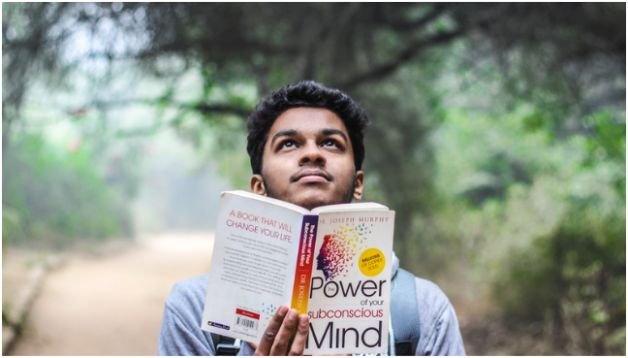
Because effort without strategy burns you out.
The woodcutter story explains this perfectly. He kept working harder but got worse results. Why? He never sharpened his axe.
I’ve done this too—working longer hours, pushing harder, but not improving. The real shift came when I started learning, resting, and adjusting my approach.
Wendy Wood’s research shows something surprising: willpower isn’t the main driver of change. Your environment is.
If junk food is in front of you, you’ll eat it. If your book is on your pillow, you’ll read it.
So instead of trying to “be stronger,” I started designing my space. That changed everything.
What’s the Right Way to Handle Challenges?
Life will throw “boiling water” at you. The question is: what do you become?
The potato gets soft. The egg gets hard. But the coffee bean? It changes the water itself.
That idea stuck with me. You can either react to problems or reshape them.
I’ve had moments where everything felt overwhelming. But instead of quitting, I asked: what’s one small action I can take right now?
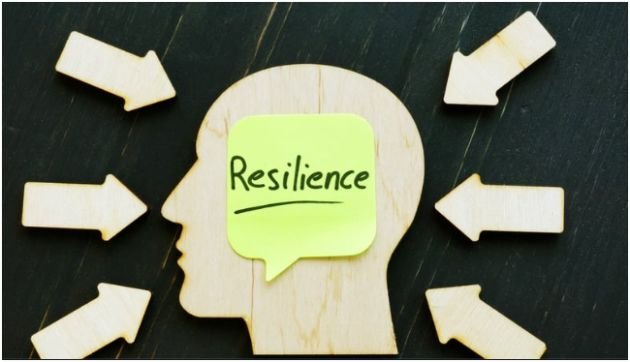
That’s how you build resilience—not by avoiding struggle, but by responding differently.
How To Stories About Self Improvement and Change
Start by choosing one story that resonates with you deeply. Don’t try to apply everything at once. Pick one lesson and turn it into a tiny action you can repeat daily.
Next, anchor that action to something you already do. If you drink tea every morning, add one page of reading right after. This is called habit stacking, and it works because your brain loves patterns.
Then, adjust your environment. Remove friction from good habits and add friction to bad ones. Keep your workout clothes visible. Hide distractions.
Track your progress, but keep it simple. I usually just mark an “X” on a calendar. The goal is consistency, not perfection.
Finally, expect resistance. You won’t feel motivated every day. That’s normal. Stick to the system anyway. Over time, your identity will shift—you’ll become the kind of person who follows through.
If you enjoy this kind of reflection, you’ll also relate to everyday experiences that teach life lessons—because sometimes the smallest moments shape us the most.
FAQs About Stories About Self Improvement and Change
1. Are stories about self improvement and change actually useful?
Yes, they simplify complex ideas and make change feel possible. They give you relatable examples you can copy in your own life.
2. How long does it take to see real change?
You may notice small shifts in a week, but lasting change usually takes months of consistent habits.
3. What if I keep failing at habits?
You’re probably starting too big. Make the habit smaller and easier until it feels almost effortless.
4. Do I need motivation to start?
No. Systems and routines matter more. Start small, and motivation will follow later.
So… What’s Your First Move Going to Be?
Here’s the truth: stories about self improvement and change only work if you act on them.
You don’t need a new life plan. You need one small action today.
If I could give you one tip, it’s this: lower the bar. Make your habit so easy that skipping it feels silly.
Here’s a simple way to think about it:
| Situation | Old Approach | Better Approach |
| Want to read more | Read 20 pages daily | Read 1 page daily |
| Want to exercise | 1-hour workout | 5-minute movement |
| Want to improve focus | Quit phone completely | Keep phone in another room for 10 mins |
Start small. Stay consistent. Let your identity catch up later.
That’s how real change begins.