


I know how heavy anxiety can feel. Your mind keeps replaying situations, imagining worst-case outcomes, and refusing to slow down. That’s exactly why I started turning to short uplifting stories for anxiety relief—not for entertainment, but for perspective.
These stories work differently than advice. They don’t tell you what to do. They show you how to think. And that subtle shift can calm your mind faster than overanalyzing ever will.
If you’ve ever wondered whether simple stories can really help with anxiety, I had the same doubt. But once I started using them as a daily mental reset, everything changed.
Key Takeaways
- Stories calm anxiety by shifting your perspective, not forcing solutions
- Most anxiety comes from thoughts, not real situations
- Short stories work best because they’re easy to absorb daily
- Real-life examples make change feel possible
- Consistency matters more than intensity
Why Do Short Uplifting Stories for Anxiety Relief Work So Well?
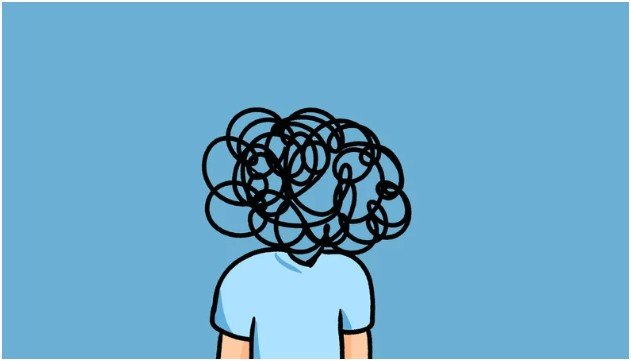
I used to think I needed complex techniques to manage anxiety. But what actually helped me was something simple—changing how I interpreted situations.
Stories do that instantly.
When you read a story, your brain stops overthinking your own problems and starts observing someone else’s experience. That creates distance. And that distance creates calm.
Another thing I noticed is that stories bypass resistance. Advice can feel like pressure. Stories feel natural. You absorb the lesson without forcing it.
What Are the Most Powerful Short Uplifting Stories for Anxiety Relief?

The Burden You’re Still Carrying
Two monks walked through a muddy road after rain. They saw a woman who couldn’t cross a puddle. The elder monk carried her across and continued walking.
Hours later, the younger monk asked why he touched her, breaking their rules.
The elder monk replied,
“I set her down hours ago. Why are you still carrying her?”
That line hit me deeply.
Most of my anxiety came from thoughts I kept replaying long after the moment ended. The real problem wasn’t the situation—it was me holding onto it.
The Fear That Never Happened
A man spent months terrified to tell his wife about a financial mistake. He imagined anger, rejection, and worst-case scenarios.
When he finally told her, she hugged him and said,
“We’ll get through this.”
That’s when he realized something powerful.
Almost everything he feared never happened.
I’ve seen this in my own life too. Anxiety often comes from imagined suffering, not reality.
The Door You’re Afraid to Open
A prisoner was given a choice—execution or whatever was behind a dark door.
He chose execution because the unknown felt more terrifying.
Before his death, he asked what was behind the door.
The answer? Freedom.
That story made me question how often I stay stuck in stressful situations simply because change feels uncertain.
Can Real-Life Stories Actually Reduce Anxiety?
Yes—and this is where things get practical.
I didn’t just relate to fictional stories. Real-life examples made the biggest difference because they felt achievable.
The Power of Small Steps
James struggled with severe anxiety. Even stepping outside felt overwhelming.
Instead of forcing big changes, he started with short runs near his home.
Just a few minutes each day.
Over time, those small actions built confidence. Today, he’s a fitness coach.
That taught me something important—anxiety doesn’t disappear with big breakthroughs. It fades through small, repeated actions.
The Simple Grounding Trick That Works
Ali used to panic before meetings. His solution wasn’t complicated.
He used the “3-3-3” method:
Notice 3 things, hear 3 sounds, move 3 body parts.
It brought his focus back to the present.
That’s something I use too when my thoughts spiral. It works because it interrupts overthinking instantly.
Learning to Respond Instead of React
Writer Tim Denning explained a concept that changed how I deal with anxiety.
Reacting is automatic. It comes from fear.
Responding creates space. You pause, think, and choose your action.
That gap between reaction and response is where calm exists.
Where Can You Find More Stories Like This?

If you want to build a daily habit, books are one of the best sources.
I personally rotate between non-fiction and calming fiction depending on my mood.
Books like Don’t Worry: 48 Lessons On Relieving Anxiety From A Zen Buddhist Monk and Hope and Help for Your Nerves: End Anxiety Now give practical guidance.
For emotional comfort, The Midnight Library offers a powerful perspective on regrets and choices.
And when I just want something light before bed, Nothing Much Happens: Calming Stories to Soothe Your Mind works perfectly.
If you’re also exploring deeper inspiration, I’ve found that reading inspiring journey stories of ordinary people helps connect these lessons to real-world transformation.
How To Short Uplifting Stories for Anxiety Relief

Start by choosing one short story each day instead of overwhelming yourself with too much content. I usually read something in the morning or before sleep when my mind feels most active.
After reading, pause for a moment and ask yourself what the story is really showing you. Don’t rush to move on. Let the message sit.
Then apply it in a small way. If the story is about letting go, practice releasing one thought. If it’s about courage, take one small step outside your comfort zone.
The key is consistency. One story won’t change everything. But repeating this process daily slowly rewires how you respond to anxiety.
Are Short Uplifting Stories for Anxiety Relief Enough on Their Own?
This is a common concern I had too.
Stories alone won’t solve everything—but they create awareness. And awareness is the first step toward change.
Think of them as mental resets. They help you pause, reflect, and shift direction before anxiety takes over.
Combine them with simple habits like breathing exercises or journaling, and the impact becomes much stronger.
FAQs About Short Uplifting Stories for Anxiety Relief
1. Do short uplifting stories for anxiety relief really work?
Yes. They help shift your mindset quickly by offering perspective. Instead of overthinking your situation, you learn from someone else’s experience, which reduces mental pressure.
2. How often should I read these stories?
Once a day is enough. Consistency matters more than quantity. Even one meaningful story can reset your thinking for the entire day.
3. Can stories replace anxiety treatment?
No. They support your mental well-being but shouldn’t replace professional help if anxiety feels overwhelming or persistent.
4. What type of stories work best?
Short, relatable stories with clear lessons work best. Real-life experiences and simple parables tend to be the most effective.
This Is What Actually Helped Me Feel Lighter
The biggest shift I made wasn’t removing anxiety—it was changing how I respond to it.
Using short uplifting stories for anxiety relief became part of my daily routine. Not as a fix, but as a reset.
And over time, that reset added up.
Here’s a simple routine that worked for me:
| Time of Day | What I Do | Why It Helps |
| Morning | Read one short story | Sets a calm tone |
| Afternoon | Recall the lesson | Prevents overthinking |
| Night | Read a calming story | Improves sleep |
If you take one thing from this, let it be this:
You don’t need to control every thought.
You just need better ways to guide them.
And sometimes, a simple story does exactly that.