


When it comes to health, most people focus on the basics—eat well, exercise regularly, and get enough sleep. While these are essential, there are many lesser-known health facts that can help you better understand your body and improve your daily habits.
These facts, backed by science, reveal surprising truths about how your body functions and how small changes can make a big difference in your overall well-being.
In this guide, we’ll explore some fascinating and often overlooked health facts every adult should know, along with insights gathered from broader research to give you a complete, practical perspective.
Why Knowing These Health Facts Matters
Understanding your body goes beyond common advice. Many adults unknowingly ignore subtle signals or rely on outdated health assumptions. Learning these lesser-known facts can help you make smarter decisions, prevent health issues early, and improve your quality of life without drastic lifestyle changes.
1. Thirst Is a Late Sign of Dehydration

Many people believe they only need water when they feel thirsty. However, thirst is actually a delayed signal. By the time you feel thirsty, your body may have already lost around 2–3% of its fluid content. This level of dehydration can affect energy, focus, and physical performance.
Staying hydrated throughout the day, even before thirst kicks in, is essential for maintaining optimal body function.
2. Your Brain Can Be More Active During Sleep
It may sound surprising, but your brain doesn’t simply “shut off” when you sleep. In fact, during certain stages—especially REM sleep—your brain can be more active than when you’re awake. This is when memory consolidation, emotional processing, and learning take place.
Poor sleep habits can disrupt these processes, affecting mental clarity, mood, and long-term brain health.
3. You’re Slightly Taller in the Morning
Your height actually changes throughout the day. Most adults are about 1 centimeter taller in the morning than in the evening. This happens because the cartilage in your spine compresses due to gravity and daily movement.
While the difference is small, it highlights how dynamic the human body is.
4. Laughter Has Real Physical Benefits

Laughter isn’t just good for your mood—it also benefits your body. Studies suggest that 100 laughs can burn calories similar to 10–15 minutes of light exercise, such as cycling. Laughter also reduces stress hormones and boosts serotonin, improving mental health.
Incorporating humor into your daily life can be a simple yet powerful wellness tool.
5. Your Body Has an Incredible Circulatory System
The human body contains an extensive network of blood vessels. If stretched out, an adult’s blood vessels could measure around 100,000 miles, enough to circle the Earth multiple times.
This complex system highlights the importance of maintaining heart health through diet, exercise, and regular checkups.
6. Sedentary Lifestyle Is a Hidden Risk
Even if you exercise regularly, sitting for long periods can still negatively impact your health. A sedentary lifestyle is linked to increased risks of heart disease, obesity, and poor posture.
Taking short movement breaks throughout the day can significantly reduce these risks.
7. Skin Regenerates Faster Than You Think
Your skin is constantly renewing itself. Adults lose around 200 million skin cells every hour, which adds up to several kilograms per year. This process helps maintain skin health but also means your body requires proper nutrition and hydration to support regeneration.
8. Your Mouth Is a Bacterial Ecosystem
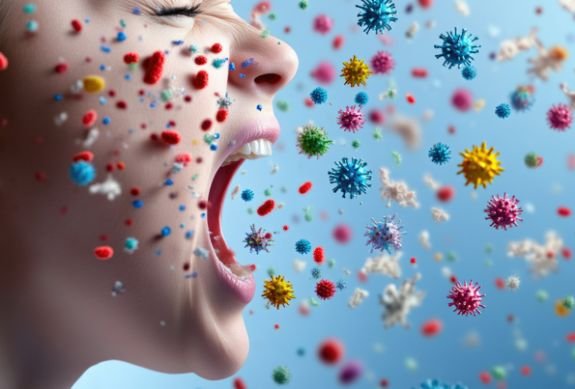
The human mouth contains billions of bacteria—more than the total number of people on Earth. While many of these bacteria are harmless, poor oral hygiene can lead to dental issues and even affect overall health.
Brushing, flossing, and regular dental visits are essential for maintaining oral and systemic health.
9. High Cholesterol Can Show Physical Signs
Many people think high cholesterol has no visible symptoms, but in some cases, it can appear as yellowish skin deposits called xanthelasmata, usually around the eyes. These can be early warning signs that shouldn’t be ignored.
Regular health screenings can help detect such issues early.
10. Your Eyes Are Not Always Perfect
Only about 35% of adults in the United States have perfect 20/20 vision. Vision can decline gradually due to age, screen exposure, or health conditions.
Routine eye exams are important, even if you don’t notice immediate problems.
11. Bananas Can Boost Your Mood
Bananas are rich in vitamin B6, which helps the brain produce serotonin—a neurotransmitter that regulates mood. Including nutrient-rich foods in your diet can have a direct impact on mental well-being.
12. Heart Attacks Are More Common During Holidays
Interestingly, research shows that the highest number of heart attacks in the U.S. occurs on Christmas Day, followed by New Year’s Day. Factors like stress, overeating, alcohol consumption, and cold weather may contribute to this trend.
This highlights the importance of maintaining healthy habits even during celebrations.
13. You Produce More Saliva Than You Think
An average adult produces about 1 liter of saliva per day. Saliva plays a crucial role in digestion, oral health, and protecting your teeth from bacteria.
Dry mouth or reduced saliva production can lead to dental and digestive issues.
14. Processed Foods Can Disrupt Satiety Signals
From broader research, one important fact often overlooked is how ultra-processed foods affect hunger signals. These foods are designed to be highly palatable, which can override your natural sense of fullness, leading to overeating.
Knowing what processed food really do to your body, choosing whole foods helps maintain proper appetite control and overall health.
15. Chronic Stress Impacts Physical Health

Another key insight from health research is the strong connection between stress and physical health. Chronic stress can weaken the immune system, increase blood pressure, and contribute to long-term diseases.
Managing stress through exercise, mindfulness, and proper rest is essential for maintaining balance.
FAQs
What are some surprising health facts adults should know?
Some surprising health facts include that your brain can be more active during sleep, you can be dehydrated before feeling thirsty, and laughter can provide physical health benefits similar to light exercise.
How does dehydration affect the body?
Dehydration can lead to fatigue, headaches, reduced concentration, and poor physical performance. Even mild dehydration can impact daily functioning.
Why is sleep important for brain health?
Sleep helps the brain process information, store memories, and regulate emotions. Poor sleep can lead to cognitive decline and mental health issues over time.
Can lifestyle habits really impact long-term health?
Yes, daily habits such as diet, physical activity, hydration, and stress management play a major role in determining long-term health outcomes and disease risk.
Are small health changes effective?
Absolutely. Small, consistent changes—like drinking more water, moving regularly, and improving sleep—can lead to significant improvements in overall health.
Final Thoughts: Small Facts, Big Impact
Health isn’t just about major lifestyle overhauls. Sometimes, understanding small, lesser-known facts can lead to meaningful improvements in your daily routine. From staying hydrated before you feel thirsty to recognizing how stress affects your body, these insights can help you make smarter, more informed decisions.
By combining these lesser-known facts with basic healthy habits, you can build a lifestyle that supports long-term wellness, energy, and mental clarity.
This is for informational purposes only. For medical advice or diagnosis, consult a professional.