
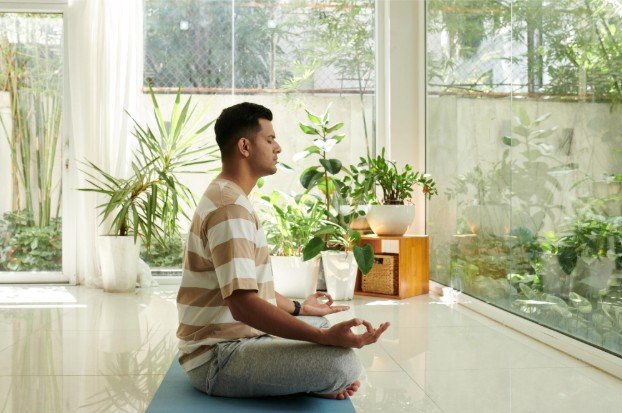

I imagined long mornings, empty calendars, and a life with no pressure. Real life looked nothing like that. My days felt crowded, my mind felt noisy, and even when I had time to rest, I still felt mentally switched on. That is exactly why The Rise of Mindful Living in a Busy World makes so much sense right now.
For me, mindful living is not about escaping life. It is about learning how to stay present inside it. It means noticing how I move through the day, how I react to stress, how I use my time, and how often I let noise take over my attention. When I started making small changes, I felt calmer, less reactive, and more in control of my routines.
This shift matters because many people are tired of rushing through life on autopilot. They want simple habits that help them breathe, focus, and feel grounded again. That is why mindful living keeps growing. It meets a real need.
What Does Mindful Living Really Mean?
Mindful living means paying attention to your life as you are living it. It is the practice of noticing your thoughts, emotions, habits, and surroundings without immediately judging them or trying to outrun them.
That sounds simple, but it changes everything. When you stop living on reflex, you begin making better choices. You eat with more awareness. You listen more closely. You move through stress with more intention. You start responding instead of reacting.
I learned that mindfulness is not only something you do during meditation. It can happen while making coffee, answering emails, folding laundry, walking outside, or sitting quietly before bed. The goal is not perfection. The goal is presence.
Why More People Are Choosing This Lifestyle

Modern life rewards speed, but our minds often pay the price. Constant alerts, endless scrolling, packed schedules, and emotional overload make it easy to feel disconnected from ourselves.
That is one reason The Rise of Mindful Living in a Busy World feels less like a trend and more like a correction. People are not just looking for productivity anymore. They are looking for peace. They want habits that support emotional balance, clearer thinking, and healthier daily rhythms.
I have noticed that the more noise I let into my day, the harder it becomes to focus on what actually matters. Mindful living helps create space between the pressure around you and the way you respond to it. That space can change your mood, your choices, and even your relationships.
The Busy World Problem Most People Feel
Many people are not only tired. They are mentally scattered. They jump from one task to another, check their phones without thinking, rush through meals, and finish the day feeling like they were busy but never fully present.
What Are the Real Benefits of Mindful Living?
The biggest benefit I noticed was clarity. When I stopped trying to do everything at once, my thoughts felt less chaotic. I was more patient, less impulsive, and more aware of what was actually affecting my mood.
Mindful living can also support better emotional regulation. You may notice your stress earlier. You may catch negative patterns sooner. You may become more aware of how sleep, screen time, overstimulation, and rushed routines shape your day.
Another major benefit is that it makes ordinary life feel richer. A short walk feels different when you are actually present for it. A conversation becomes more meaningful when you are fully listening. A quiet morning feels restorative when you are not already mentally rushing ahead.
How I Started Practicing Mindful Living Without Overcomplicating It
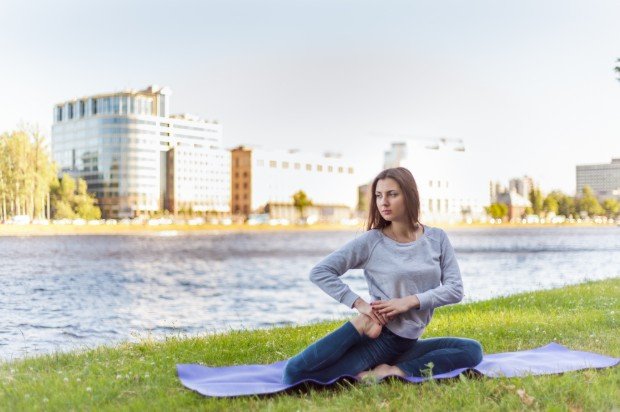
I did not begin with a dramatic life reset. I started with tiny moments that were easy to repeat. That made the habit feel real instead of idealistic. First, I stopped reaching for my phone the second I woke up. Even a few screen-free minutes changed the tone of my morning. I could think before the world started pulling at my attention.
Second, I began doing one task at a time. If I was eating, I ate. If I was answering messages, I answered messages. This sounds small, but it trained my brain to slow down. Third, I added short breathing pauses during stressful parts of the day. I did not need a full meditation session. I just needed a moment to reset before reacting.
Fourth, I created a calmer evening routine. Lower lights, less noise, and less random scrolling helped me feel like the day had an ending instead of just fading into more stimulation.
Simple Daily Habits That Make Mindful Living Easier
The best mindful habits are the ones you can actually keep. For me, that meant choosing actions that fit into real life.
A mindful morning helps a lot. Even five quiet minutes can create a sense of control before the day speeds up. A mindful meal also helps because it breaks the pattern of multitasking through everything.
A short walk without constant phone checking can reset your mind faster than many people expect. Gratitude is another habit that works well when kept simple. I like naming a few things that felt good, steady, or meaningful during the day.
It shifts my attention without forcing fake positivity. That is the heart of The Rise of Mindful Living in a Busy World. It is not about becoming a different person. It is about building a daily rhythm that feels less rushed and more awake.
How to Stay Consistent When Life Gets Messy

The hardest part is not starting. It is staying consistent when life gets loud again. I have learned that consistency comes from making mindfulness flexible. Some days, mindful living looks like a slow cup of tea and a quiet walk. Other days, it looks like one deep breath before a hard conversation. Both count.
You do not need the perfect routine. You need repeatable moments of awareness. When you think of mindfulness that way, it becomes something you can return to anytime instead of something you fail at.
Frequently Asked Questions
1. Why is The Rise of Mindful Living in a Busy World becoming more relevant now?
Because many people feel mentally overloaded and emotionally drained. Mindful living offers simple ways to slow down, focus better, and feel more grounded in everyday life.
2. Can mindful living help with stress?
Yes, it can help you notice stress earlier and respond more calmly. It does not remove pressure, but it can change how you move through it.
3. Do I need meditation to live mindfully?
No. Meditation can help, but mindful living also includes simple habits like breathing pauses, slower meals, focused walking, and less distracted routines.
A Calmer Way Forward
I do not see mindful living as a perfect lifestyle. I see it as a practical way to come back to myself in the middle of daily noise. It helps me feel less rushed, less reactive, and more connected to the life I am already living.
You do not need a brand-new routine to begin. You only need one small pause, one moment of attention, and one decision to be more present than you were yesterday. That is where real change starts.