
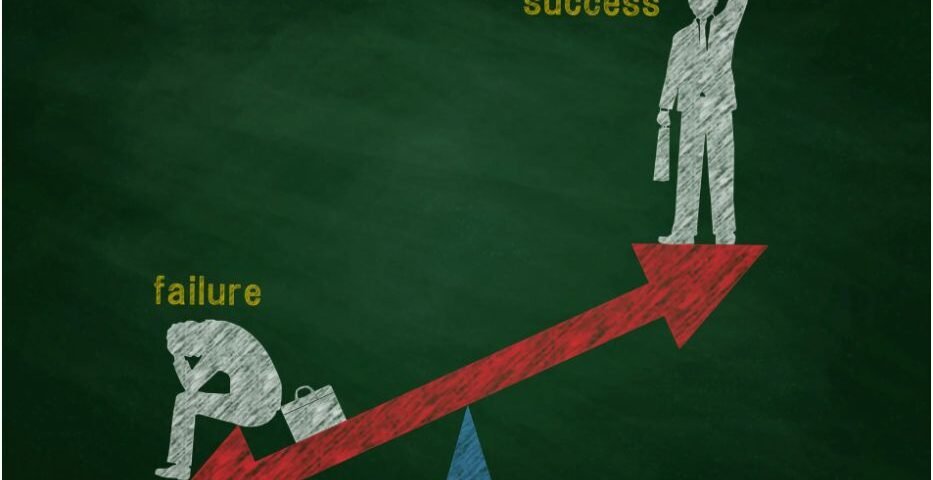

I used to think failure meant I wasn’t good enough. Every setback felt final. But the more I studied real life failure to success stories, the more I realized something surprising—failure isn’t the opposite of success, it’s the starting point.
If you feel stuck, behind, or like things aren’t working out, you’re not alone. Most successful people you admire were exactly where you are. The difference? They didn’t stop when things went wrong.
Key Takeaways
- Failure is feedback, not a dead end
- Most success stories start with rejection or setbacks
- Small pivots often lead to big breakthroughs
- Consistency matters more than talent
- Your mindset during failure decides your future
Why Do Real Life Failure to Success Stories Matter So Much?
Failure feels personal. It hits your confidence, your routine, and sometimes your identity.
But when I started reading stories of people like J.K. Rowling and Michael Jordan, I noticed a pattern—they failed publicly, repeatedly, and painfully.
That changed how I saw my own struggles.
Instead of thinking “Why me?”, I started thinking “What can I learn here?” That one shift alone made failure feel less like an ending and more like a step forward.
What Do Real Life Failure to Success Stories Actually Teach You?
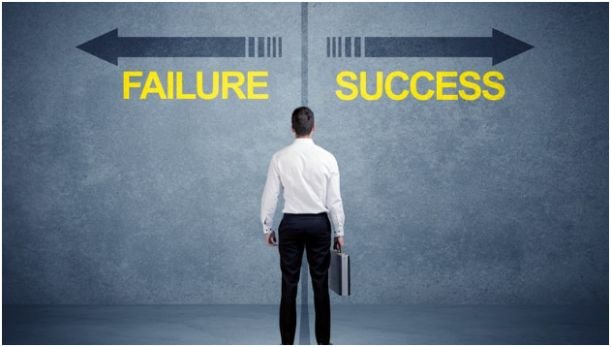
They Teach You to Reframe Failure
When Thomas Edison failed hundreds of times, he didn’t call it failure. He called it progress.
That mindset matters more than skill. When you stop labeling setbacks as losses, you stay in the game longer—and that’s where real progress happens.
They Show You the Power of Persistence
Stephen King had his manuscript rejected 30 times. Most people would quit after five.
The truth is simple. Success doesn’t come from being the best. It comes from being the one who didn’t stop.
They Prove Timing Isn’t Everything
Oprah Winfrey was told she wasn’t fit for television. That wasn’t the end—it was just the wrong environment at the time.
Sometimes, failure isn’t about you. It’s about where you are and when you’re trying.
How Do Startups Turn Failure Into Success?

When I looked at tech founders, I noticed something even more interesting—they expect failure.
They Pivot Instead of Quit
Evan Williams didn’t plan to build Twitter. His original company failed first.
Instead of shutting down, he explored side ideas. One small experiment turned into a global platform.
They Learn From What Didn’t Work
Nick Woodman failed twice before building GoPro.
But here’s what stood out to me—he didn’t repeat the same mistakes. He became more hands-on, more aware, and more focused.
They Use Failure as Data
Slack started as a failed game. The team noticed their internal tool worked better than the product itself.
That insight—something most people ignore—became the entire business.
What Happens When You Almost Lose Everything?

Some of the most powerful real life failure to success stories come from moments where everything was about to collapse.
When Survival Becomes the Goal
Airbnb couldn’t get investors. Instead of quitting, the founders sold cereal boxes just to stay afloat.
That hustle gave them time. And sometimes, time is all you need.
When Risk Feels Unavoidable
Elon Musk nearly lost both Tesla and SpaceX in 2008.
He invested his last money into both. That level of commitment is uncomfortable—but it’s often what separates average from extraordinary.
Why Do Most People Quit Too Early?
This is something I struggled with personally.
We expect quick results. When they don’t show up, we assume we’re failing. But most success stories take years before they even look like success.
The real problem isn’t failure. It’s impatience.
When you compare your beginning to someone else’s middle, you lose perspective. That’s why I started building a simple routine—learning from setbacks instead of reacting emotionally.
And honestly, pairing these lessons with things like bedtime motivational stories helped me reset my mindset daily. It sounds small, but it made a huge difference in how I handled setbacks.
How To Real Life Failure to Success Stories

The biggest mistake I made was thinking these stories were just for inspiration. They’re actually a blueprint.
Start by documenting your failures instead of ignoring them. Write down what went wrong and what you learned. This turns emotional setbacks into practical lessons.
Next, focus on small improvements instead of big wins. Most successful people didn’t suddenly change their lives—they adjusted their approach step by step.
Then, build a routine that keeps you consistent. Even when things feel slow, showing up daily builds momentum. This is where most people fall off.
Finally, stay flexible. If something clearly isn’t working, don’t force it. Pivot. Try a different approach. That’s what almost every success story has in common.
Are Real Life Failure to Success Stories Realistic for Beginners?
Yes—and that’s exactly why they matter.
These stories aren’t about perfection. They’re about persistence, adjustment, and staying in motion.
If you’re just starting, you actually have an advantage. You can fail faster, learn quicker, and adapt without pressure.
FAQ
1. What are real life failure to success stories?
They are stories of people who faced major setbacks but used those experiences to achieve success through persistence, learning, and adaptation.
2. Why are failure stories important?
They help you understand that setbacks are normal and often necessary for growth and long-term success.
3. Can failure really lead to success?
Yes. Failure provides feedback, builds resilience, and helps you refine your approach over time.
4. How can I apply these stories in my life?
Focus on learning from mistakes, staying consistent, and being willing to adjust your strategy when needed.
So, What Do These Real Life Failure to Success Stories Really Mean?
If I could go back and change one thing, I wouldn’t avoid failure—I’d learn how to use it sooner.
The truth is, real life failure to success stories aren’t special because of talent or luck. They’re powerful because of persistence, mindset, and the willingness to keep going when things don’t work.
Here’s something I follow now:
| Situation | Old Reaction | Better Approach |
| Failure | Quit or doubt | Analyze and learn |
| Slow progress | Get frustrated | Stay consistent |
| Rejection | Take it personally | Adjust strategy |
| Uncertainty | Overthink | Take action |
You don’t need a perfect plan. You just need to stay in motion.
That’s where everything changes.