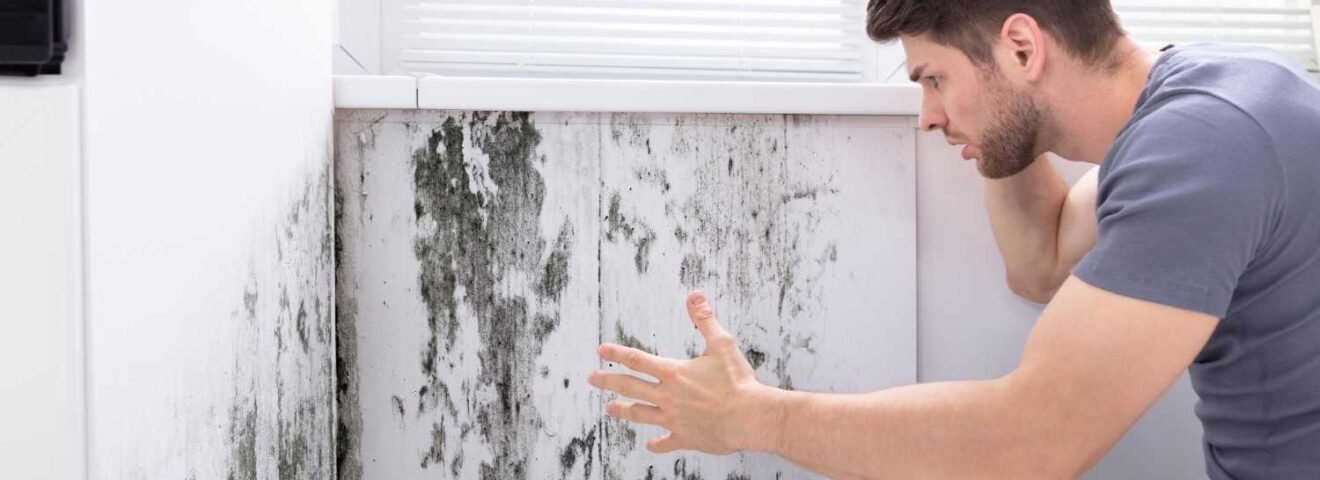

The first time I noticed mold in my home, I thought a quick clean would fix it. I wiped it down, aired the room, and moved on. But within days, it came back—and worse. That’s when I realized I needed to truly understand how to get rid of mold in the house, not just temporarily hide it.
What changed everything for me was focusing on the root cause instead of just the surface. Mold thrives on moisture, and unless you deal with that first, no cleaning method will last. Once I followed the right steps, I didn’t just remove the mold—I finally stopped it from returning.
Why Mold Keeps Coming Back in Most Homes
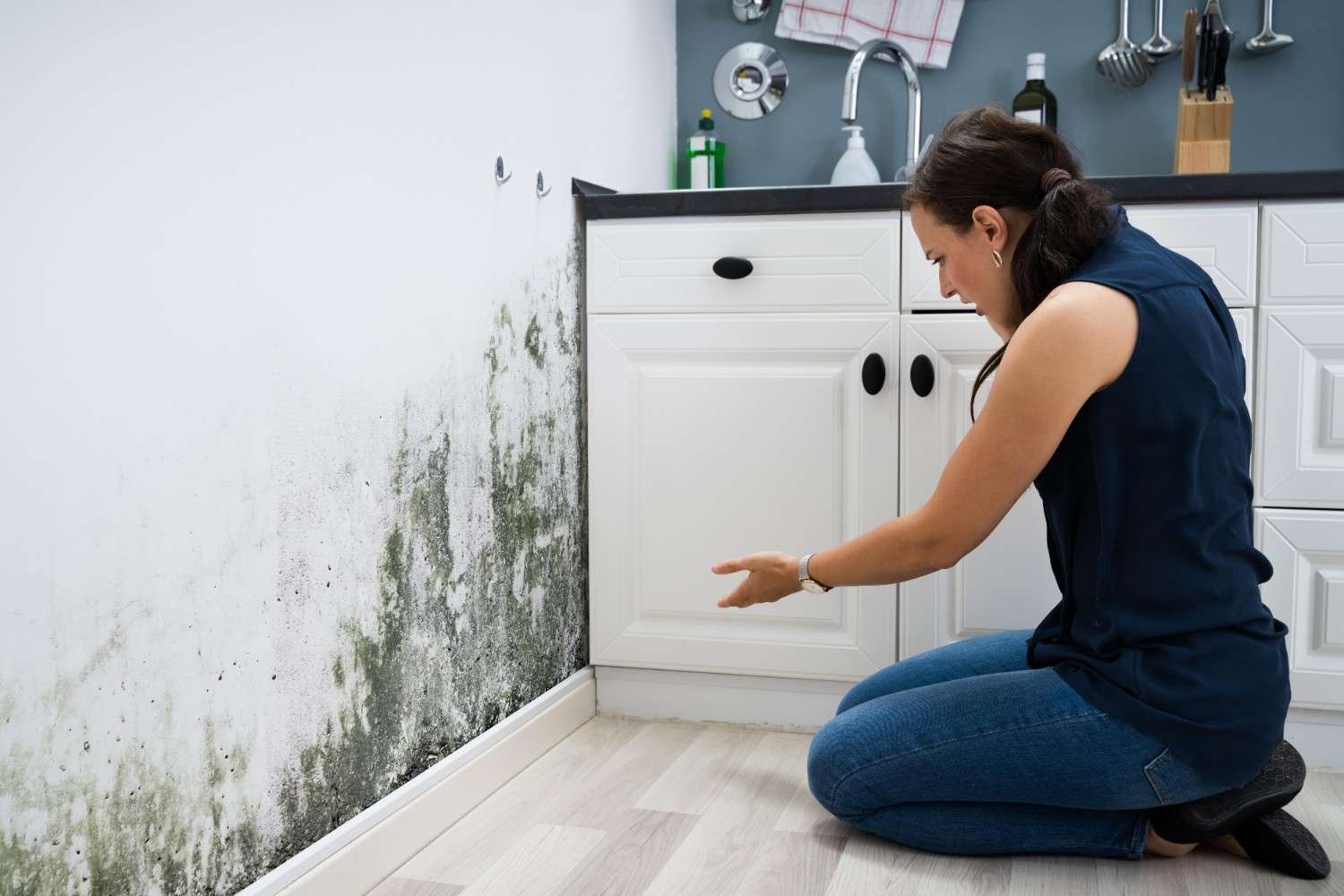
Mold doesn’t randomly appear. It grows where moisture stays trapped. In many US homes, this happens in bathrooms, basements, kitchens, and even behind furniture placed against exterior walls.
I started noticing mold forming in areas where airflow was poor and humidity stayed high. Small leaks, condensation, and even damp towels left too long created the perfect environment. Once I understood this, I stopped treating mold as a cleaning issue and started treating it as a moisture problem.
The Right Way to Get Rid of Mold in House Step by Step
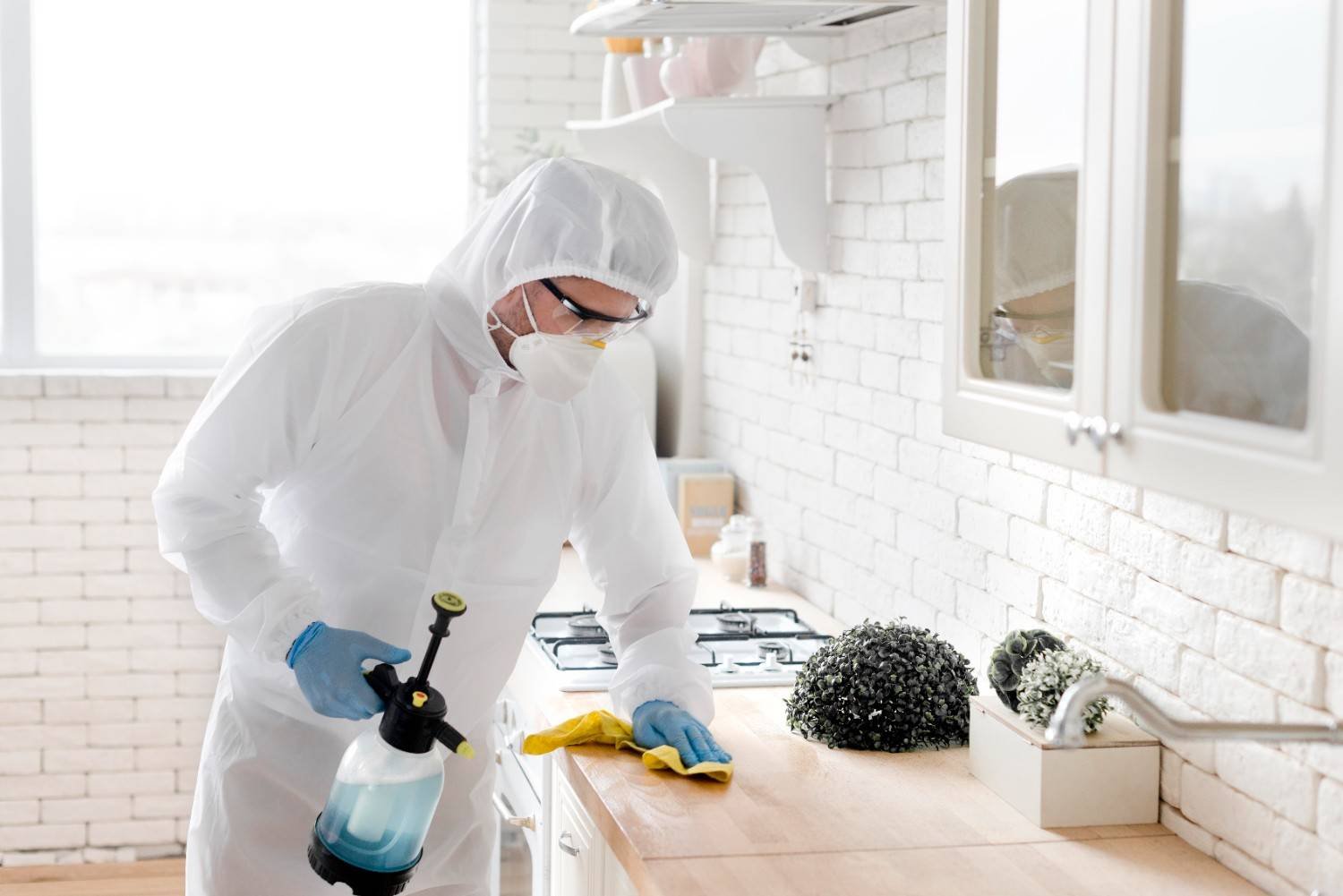
After trying different approaches, I settled on a process that consistently works. It’s simple, but every step matters.
Fix the Moisture Source First
Before cleaning anything, I always identify the cause. It could be a leaking pipe, poor ventilation, or high indoor humidity. Without fixing this, cleaning becomes temporary.
Seal the Area and Control Airflow
One thing I didn’t do at first—but now always do—is isolate the area. I close doors and limit airflow to prevent mold spores from spreading to other parts of the house.
This step makes a big difference, especially in larger homes where air circulation can carry spores easily.
Mist the Mold Before Cleaning
Before scrubbing, I lightly mist the area with water or a cleaning solution. This keeps dry spores from becoming airborne and reduces the risk of inhaling them.
It’s a small step, but it makes the entire process safer and more controlled.
Use Natural Cleaning Solutions That Actually Work
Over time, I stopped relying on harsh chemicals and started using household solutions that are just as effective.
White vinegar became my go-to, especially for porous surfaces like drywall or wood. I spray it undiluted, let it sit for about an hour, and then scrub the area clean. It penetrates deeper than bleach and targets mold at its root level.
Hydrogen peroxide is another solution I trust. I spray it directly onto the mold, let it sit until the bubbling stops, and then wipe it away. It works well for tougher spots.
For lighter cleaning and prevention, I mix baking soda with water and spray it over the area. It absorbs moisture and helps stop mold from returning.
Tea tree oil, though strong in scent, has been one of the most effective natural options I’ve used. A small mixture in water acts as a powerful fungicide and helps prevent spores from growing back.
Scrub and Clean the Surface Properly
Once the solution has had time to work, I scrub the area using the right method depending on the surface. Hard surfaces handle a firm brush, while softer materials like wood require a gentler touch.
After cleaning, I wipe everything down and remove any residue completely.
Dispose of Cleaning Materials Safely
This is something I overlooked early on. Used cloths and sponges can carry mold spores. Now, I seal them in a plastic bag and throw them away immediately.
It’s a simple step that prevents recontamination.
Dry the Area Completely
Drying is where most people go wrong. After cleaning, I always make sure the area is completely dry. I use fans, open windows, or run a dehumidifier.
If moisture stays behind, mold will return quickly.
How to Remove Mold From Different Areas in Your Home
Different surfaces require slightly different approaches, and I learned this through trial and error.
In bathrooms, I focus on tiles, grout, and shower areas. Regular cleaning combined with proper ventilation makes a huge difference.
In basements, the real solution is humidity control. Cleaning alone isn’t enough. A dehumidifier changed everything for me.
For walls and drywall, I clean small spots carefully, but if mold spreads deeply, replacing that section is sometimes the safer option.
For fabrics and furniture, I wash items in hot water when possible and dry them thoroughly. Sunlight also helps eliminate lingering moisture.
How to Prevent Mold From Coming Back for Good
Cleaning mold once is easy. Keeping it away is the real challenge. When I finally built a routine, mold stopped being a recurring issue.
I keep humidity levels between 30% and 50%, especially during humid US summers. Air conditioning and dehumidifiers help maintain this balance.
I also focus on airflow. Running exhaust fans in bathrooms and kitchens, opening windows when possible, and moving furniture slightly away from walls allows air to circulate better.
Drying damp areas quickly has become a habit. I never leave wet towels, and I wipe down shower surfaces after use.
Fixing leaks immediately is another rule I follow. Even a small drip can lead to long-term mold growth if ignored.
When You Should Call a Professional
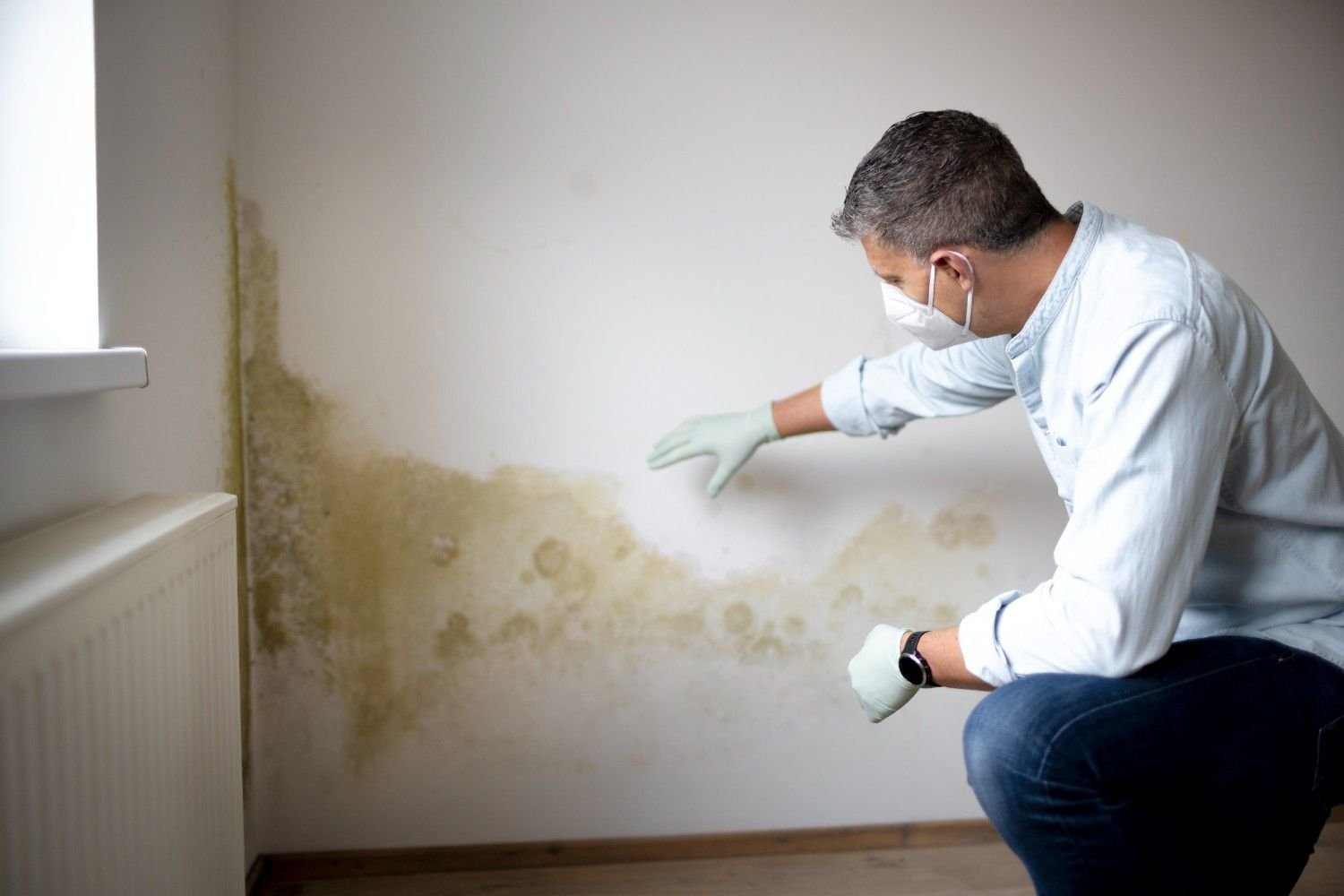
There were times when I had to step back and consider professional help. If mold covers a large area, keeps coming back despite cleaning, or causes a strong musty smell throughout the house, it’s better to call experts.
They have the tools to handle deeper contamination that household methods can’t fully address.
FAQs About How to Get Rid of Mold in House
1. What is the safest way to remove mold at home?
I rely on natural solutions like vinegar and hydrogen peroxide. They are effective, non-toxic, and work well for most household mold situations.
2. Can mold return after cleaning?
Yes, if moisture isn’t controlled. Mold always comes back when the underlying cause is still present.
3. How long does it take to remove mold completely?
Surface mold can be cleaned in a few hours, but complete prevention depends on fixing moisture and improving airflow.
4. Is black mold dangerous in homes?
Certain types can affect health, especially with long exposure. If you suspect heavy growth, it’s best to consult professionals.