

You don’t need a life-changing event to grow. Most of the time, everyday experiences that teach life lessons are already happening—you’re just not noticing them.
I used to think growth came from big wins or dramatic failures. It doesn’t. It comes from small habits, awkward conversations, tired mornings, and even frustrating doctor visits.
If you feel like you’re “not learning fast enough” or “not improving,” here’s the truth: you already are. You just need a simple way to see it.
Key Takeaways
- Small daily habits shape your life more than big one-time efforts
- Discomfort and failure are feedback, not setbacks
- Your body constantly gives signals—you just need to listen
- Relationships grow through time, not things
- Mindfulness and gratitude can rewire how you see your life
Why Do Everyday Experiences That Teach Life Lessons Matter So Much?
Most people ignore everyday moments because they seem too ordinary.
But I’ve learned that brushing that off is a mistake. The way you handle small things—like saying no, sticking to a habit, or dealing with stress—builds your character.
Think about it. You don’t suddenly become disciplined. You become disciplined when you choose water over soda, or go for a walk when you feel lazy.
The real shift happens when you stop waiting for “big lessons” and start learning from daily life.
How Do Small Habits Quietly Change Your Life?
Small habits feel boring. That’s why most people quit.
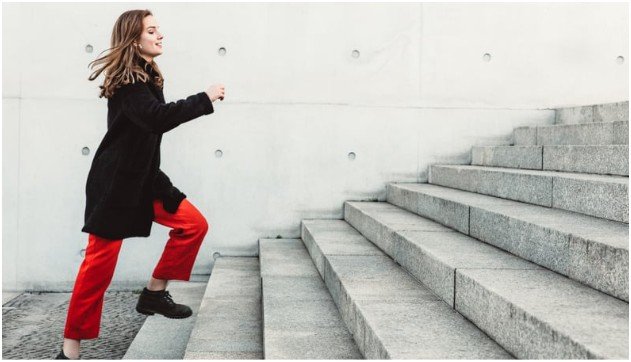
I used to chase intense routines—strict diets, long workouts, unrealistic schedules. They never lasted. What worked was simple: drink water regularly, take stairs, walk daily.
Those tiny actions compound. They don’t look impressive in the moment, but over weeks, they reshape your energy, focus, and confidence.
Discipline starts loud, but habits finish the job quietly.
What Can Discomfort and Failure Actually Teach You?

Most beginners avoid discomfort. I did too.
But discomfort is where the real data is. When a workout feels hard or a conversation feels awkward, that’s your edge.
Failure works the same way. Instead of thinking “I failed,” I now ask, “What is this teaching me?” That shift alone changes everything.
Growth doesn’t happen when things feel easy. It happens when you stay present in uncomfortable moments.
How Does Your Body Teach You Lessons Every Day?
Your body talks. Most people just ignore it.
Fatigue, headaches, low energy—these are signals, not normal life. When I started paying attention, I realized I wasn’t sleeping enough or eating well.
Simple habits helped more than extreme fixes. Drinking water, moving regularly, and asking, “How will I feel after this?” changed my decisions.
Your body builds mental strength too. Exercise teaches you to handle discomfort. That skill shows up in work, relationships, and stress.
What Do Relationships Teach You About Life?
People are your biggest teachers.
I learned that saying “no” isn’t rude—it’s necessary. Protecting your time is self-respect.
I also realized that everyone has a story. When you stay curious, you learn faster. Conversations become lessons instead of small talk.
And here’s something many miss: time is the real love language. Being fully present matters more than gifts.
Put your phone away. That alone changes your relationships.
How Do Mindfulness and Gratitude Rewire Your Thinking?

Your brain focuses on what you train it to see.
When I started practicing simple mindfulness, like noticing my surroundings or doing a quick body scan, I felt less overwhelmed.
One exercise I use often is the 5-4-3-2-1 method. It brings me back to the present instantly.
Gratitude journaling helped even more. Writing three good things each day sounds simple, but it shifts your mindset.
Instead of focusing on problems, you start seeing what’s working. That changes your mood, decisions, and even confidence.
Why Is Taking Ownership So Important?

It’s easy to blame situations, people, or bad luck.
But real progress started when I took ownership. Even in tough situations, I asked, “What can I control here?”
That mindset removes the victim feeling. You stop waiting and start acting.
Pair that with patience. Big goals take time. You need to stay consistent while waiting for results.
Be patient with outcomes, but strict with your daily actions.
How To Everyday Experiences That Teach Life Lessons
Start by slowing down your day just a little. You don’t need a full routine overhaul. Just begin noticing your habits, reactions, and choices. When something small happens—like feeling tired or frustrated—pause and ask what it’s teaching you instead of ignoring it.
Next, build a simple reflection habit. At the end of the day, think about one mistake, one good moment, and one thing you learned. Keep it short and honest. This trains your brain to extract lessons from normal experiences.
Then, add awareness to your body. Check in with how you feel physically during the day. Notice energy levels, hunger, or tension. Adjust small habits like water intake, movement, or sleep without overcomplicating it.
Finally, practice presence. When talking to someone, give full attention. When walking, notice your steps. When eating, think about how it will make you feel. These small shifts turn ordinary moments into powerful lessons.
FAQ: Everyday Experiences That Teach Life Lessons
1. Can everyday experiences really teach life lessons?
Yes. Small daily moments shape your habits, mindset, and decisions. Over time, they influence your entire life more than big, rare events.
2. What if I don’t notice any lessons in my day?
That’s normal at first. Start by reflecting on one small moment daily. Awareness improves with practice, just like any skill.
3. How long does it take to see results?
You’ll notice mental shifts in a few days. Bigger changes in habits and mindset usually take a few weeks of consistency.
4. Do I need journaling for this?
Not necessarily. Journaling helps, but even simple daily reflection in your head can build awareness and learning.
So… Are You Actually Paying Attention?
Most people go through life on autopilot. That’s why they miss everyday experiences that teach life lessons.
You don’t need more time or more resources. You need more awareness.
Here’s a simple routine I personally use:
| Time of Day | What I Do | Lesson Focus |
| Morning | Drink water + light movement | Discipline |
| Afternoon | Short mindful pause | Presence |
| Evening | Reflect on 3 moments | Learning |
My biggest tip? Don’t overthink it. Just start noticing.
That’s where real growth begins.